What is Cold Laser Therapy?
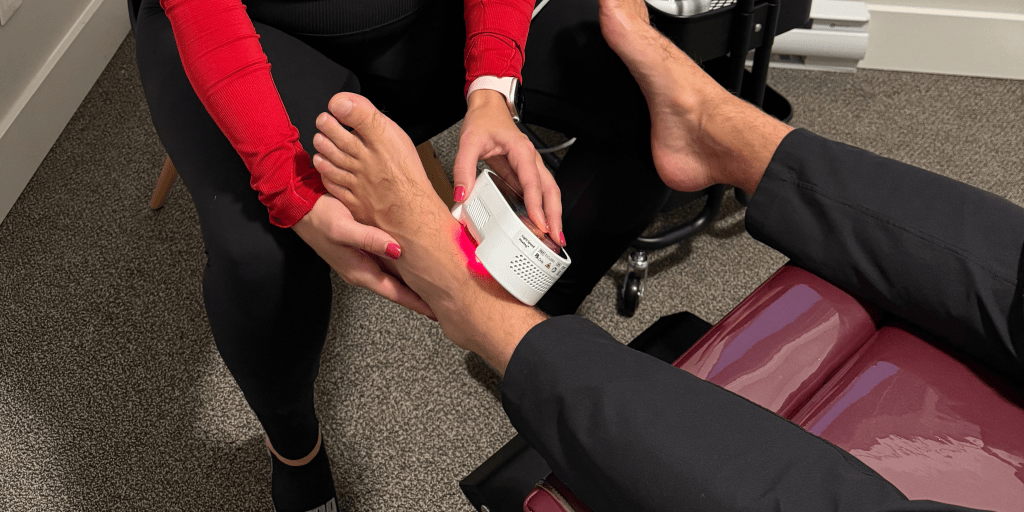
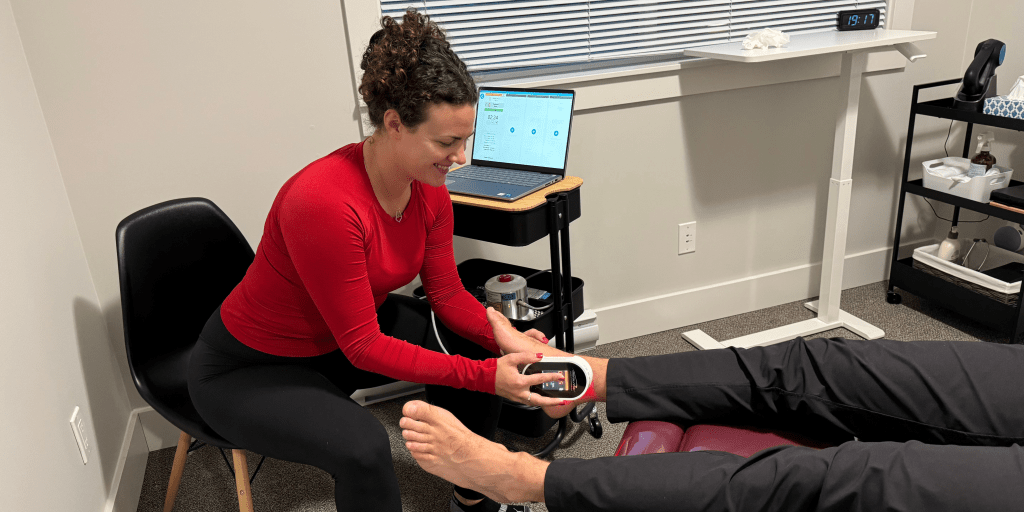
Cold laser therapy, also known as low-level laser therapy (LLLT) or photobiomodulation, is a safe, non-invasive treatment that uses low-level light to promote healing and reduce pain. Unlike high-powered lasers used for surgical purposes, cold lasers emit low-intensity light that doesn’t produce heat, which is why it’s referred to as “cold” laser therapy. During a session, your healthcare practitioner applies the laser to the targeted area, delivering light energy that penetrates the skin to stimulate cellular repair, reduce inflammation, and relieve pain without causing any damage to surrounding tissues.
How Does Cold Laser Therapy Work?
While research is ongoing, cold laser therapy is believed to work by stimulating the body’s natural healing processes at the cellular level. The light energy emitted by the laser penetrates the skin and interacts with the mitochondria, the powerhouse of the cell. This interaction boosts the production of adenosine triphosphate (ATP), the molecule responsible for cellular energy. Increased ATP production helps accelerate tissue repair, reduce inflammation, and alleviate pain. Cold laser therapy may also promote vasodilation (widening of blood vessels), which improves blood circulation and supports faster healing.
What Can Cold Laser Therapy Help With?
Cold laser therapy is versatile and can be used to treat a wide range of conditions, including:
- Pain Relief: Effectively reduces musculoskeletal pain, including back pain, neck pain, shoulder pain, and joint pain.
- Tissue Healing: Accelerates the recovery of injuries such as sprains, strains, fractures, and post-surgical wounds.
- Inflammation Reduction: Helps manage inflammatory conditions like arthritis, tendonitis, and bursitis.
- Neurological Conditions: Can provide relief from neuropathic pain, carpal tunnel syndrome, and other nerve-related issues.
- Skin Conditions: Supports wound healing, acne treatment, and skin rejuvenation by promoting cellular repair and reducing inflammation.
Contraindications of Cold Laser Therapy
While cold laser therapy is generally considered safe and effective, it may not be suitable for everyone. Patients who are pregnant, have active cancer, or are undergoing treatment for cancer should avoid cold laser therapy, as the effects on rapidly dividing cells are not fully understood. Additionally, individuals with certain skin conditions or who are sensitive to light should consult their healthcare provider before undergoing treatment. People with pacemakers or other implanted electronic devices should also avoid cold laser therapy near these devices. It’s important to discuss any pre-existing medical conditions with your practitioner to determine if cold laser therapy is the right option for you.
Combining Cold Laser Therapy with Active Physical Rehabilitation
Cold laser therapy can be even more effective when combined with active physical rehabilitation. While the cold laser helps reduce pain, inflammation, and promote tissue healing, adding a physical rehabilitation plan allows patients to regain strength, improve flexibility, and enhance mobility in the affected areas. Active rehab exercises help to recondition the muscles, joints, and tendons, which not only accelerates recovery but also helps prevent future injuries. When used together, cold laser therapy and physical rehab create a comprehensive approach to healing, targeting both the symptoms and underlying causes of musculoskeletal pain and injuries.
At Rose Chiropractic and Integrative Health, we tailor your treatment plan to include both therapies for maximum results.
 Rose Chiropractic and Integrative Health