What is Shockwave Therapy?
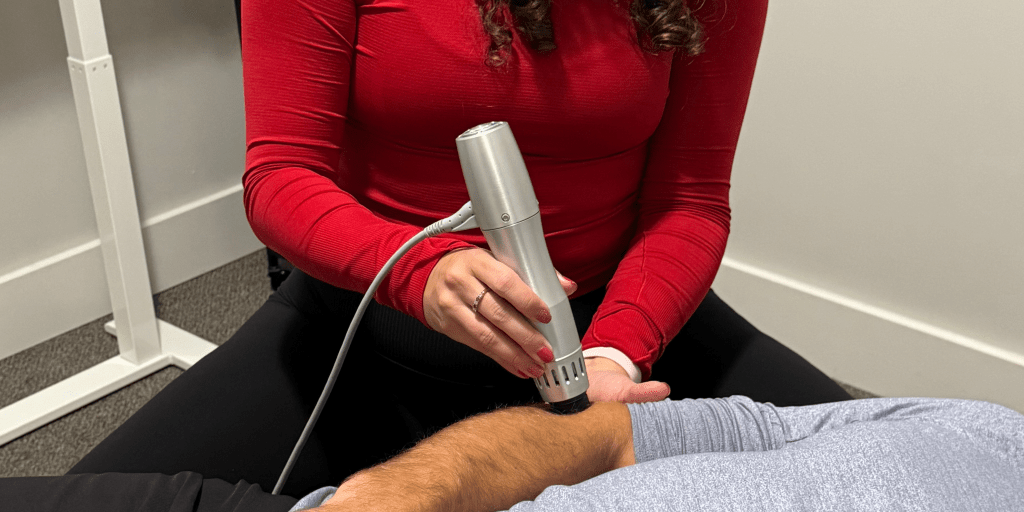
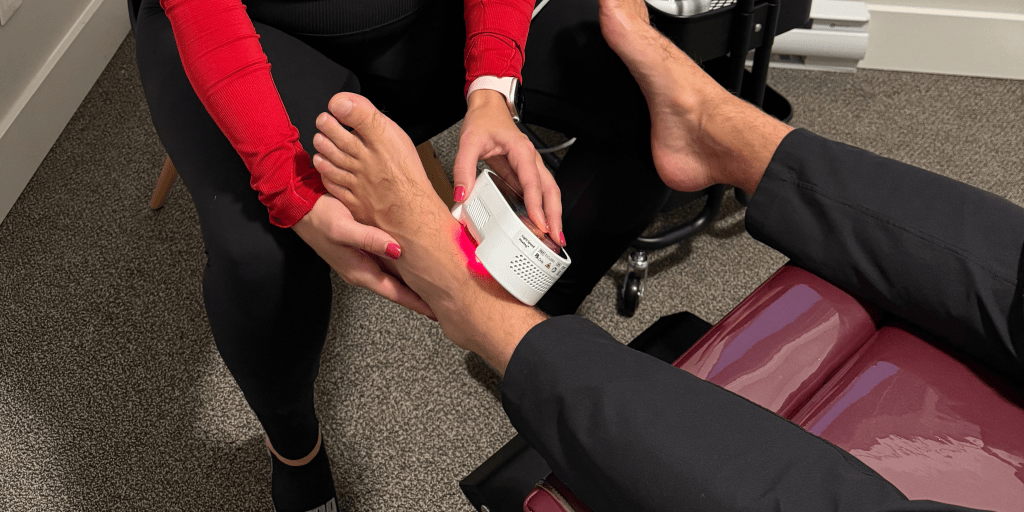
Shockwave therapy, or extracorporeal shockwave therapy (ESWT), is a non-invasive treatment that uses high-energy sound waves to target injured tissues in the body. Your practitioner will use a handheld device to deliver these sound waves directly to the affected area. As the device moves over the injured tissue or joint, you’ll experience small, pulsing sensations.
How Does Shockwave Therapy Work?
The treatment stimulates the body’s natural healing processes. The high-energy sound waves promote tissue repair by boosting collagen production and cell growth. They can also break down calcium deposits and scar tissue that may have formed after an injury. Additionally, shockwave therapy promotes new blood vessel growth, reduces inflammation, and provides pain relief. Many patients feel an immediate reduction in pain and improved mobility after treatment.
Types of Shockwave Therapy
There are two primary types of shockwave therapy: focused and radial. Focused shockwaves penetrate deeper into the tissues and are typically used for chronic or more severe conditions such as deep tendon injuries. Radial shockwaves, on the other hand, are more superficial and are often used for broader, less severe treatment areas like soft tissue injuries or muscle tension. Your practitioner will choose the most appropriate type based on your condition and treatment goals.
Contraindications and Side Effects
Although shockwave therapy is generally safe, certain individuals should avoid this treatment. Contraindications include pregnant women, individuals with blood clotting disorders, those on blood-thinning medications, and people with pacemakers. Additionally, patients with certain neurological conditions or infections near the treatment area may not be suitable candidates. While side effects are rare, some patients may experience mild bruising, swelling, or temporary discomfort after the session, which usually resolves quickly.
How Does Shockwave Therapy Compare to Other Treatments?
Shockwave therapy offers several advantages over more traditional treatments like cortisone injections, physical therapy, and even surgery. Unlike cortisone injections, which primarily reduce inflammation without addressing the underlying cause, shockwave therapy promotes actual tissue regeneration. Compared to surgery, shockwave therapy is non-invasive, involves little to no recovery time, and comes with fewer risks. While physical therapy can also be effective, it often requires more sessions over a longer period, whereas shockwave therapy may offer faster results in fewer treatments. Depending on the condition, shockwave therapy may be combined with other treatments for even greater effectiveness.
What Conditions Can Shockwave Therapy Help With?
- Plantar fasciitis
- Achilles tendinitis
- Tennis elbow
- Golfer’s elbow
- Rotator cuff tendinitis
- Jumper’s knee
- Shin splints
- Neck and back pain
- Hip pain
- Osteoarthritis
- Heel spurs
- Calcific tendinitis
- Patellar tendinitis
- Trigger points
- Muscle strains
Chiropractic Success Story: Restoring Finger Function After Injury in Gibsons, BC
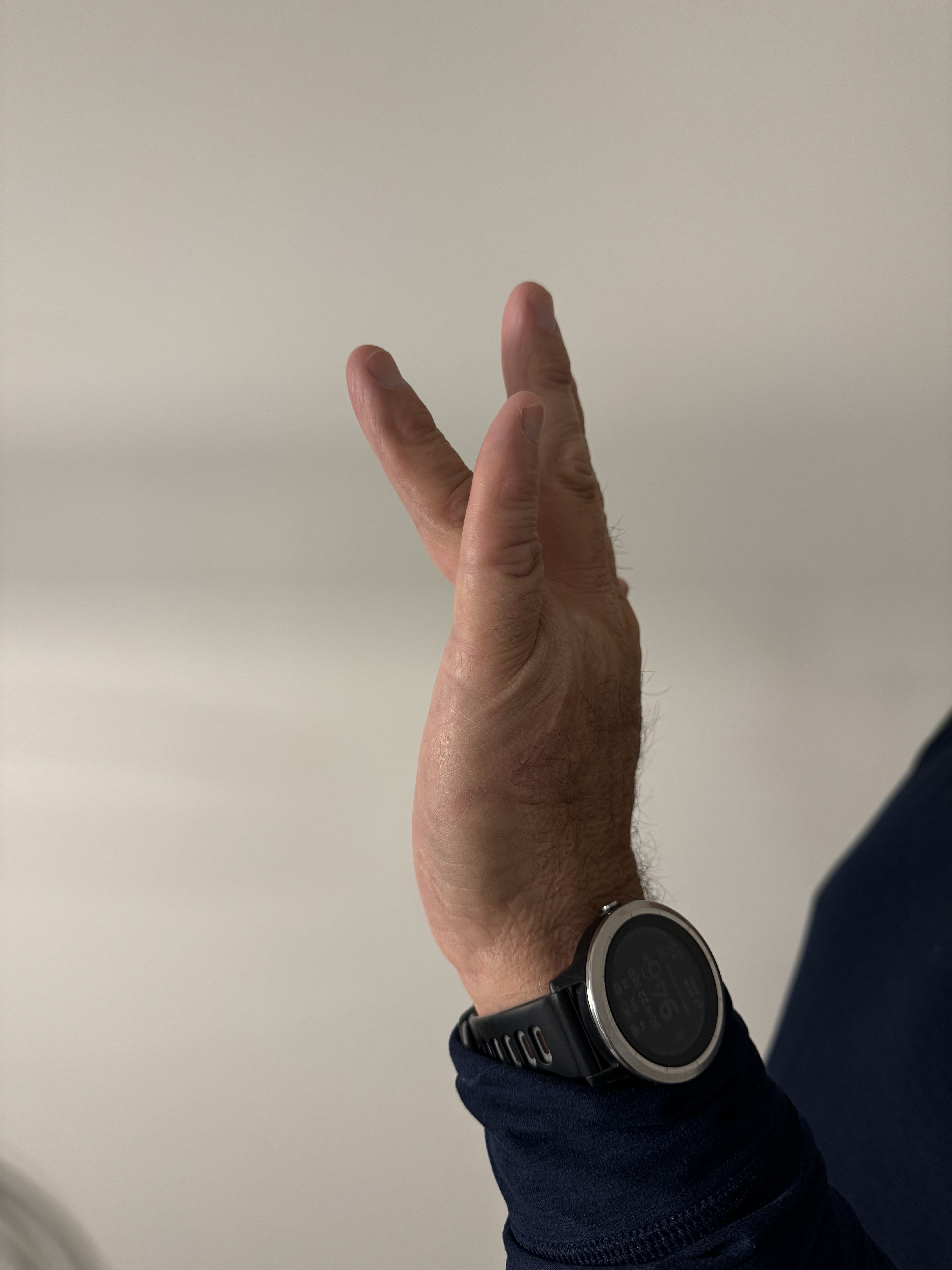
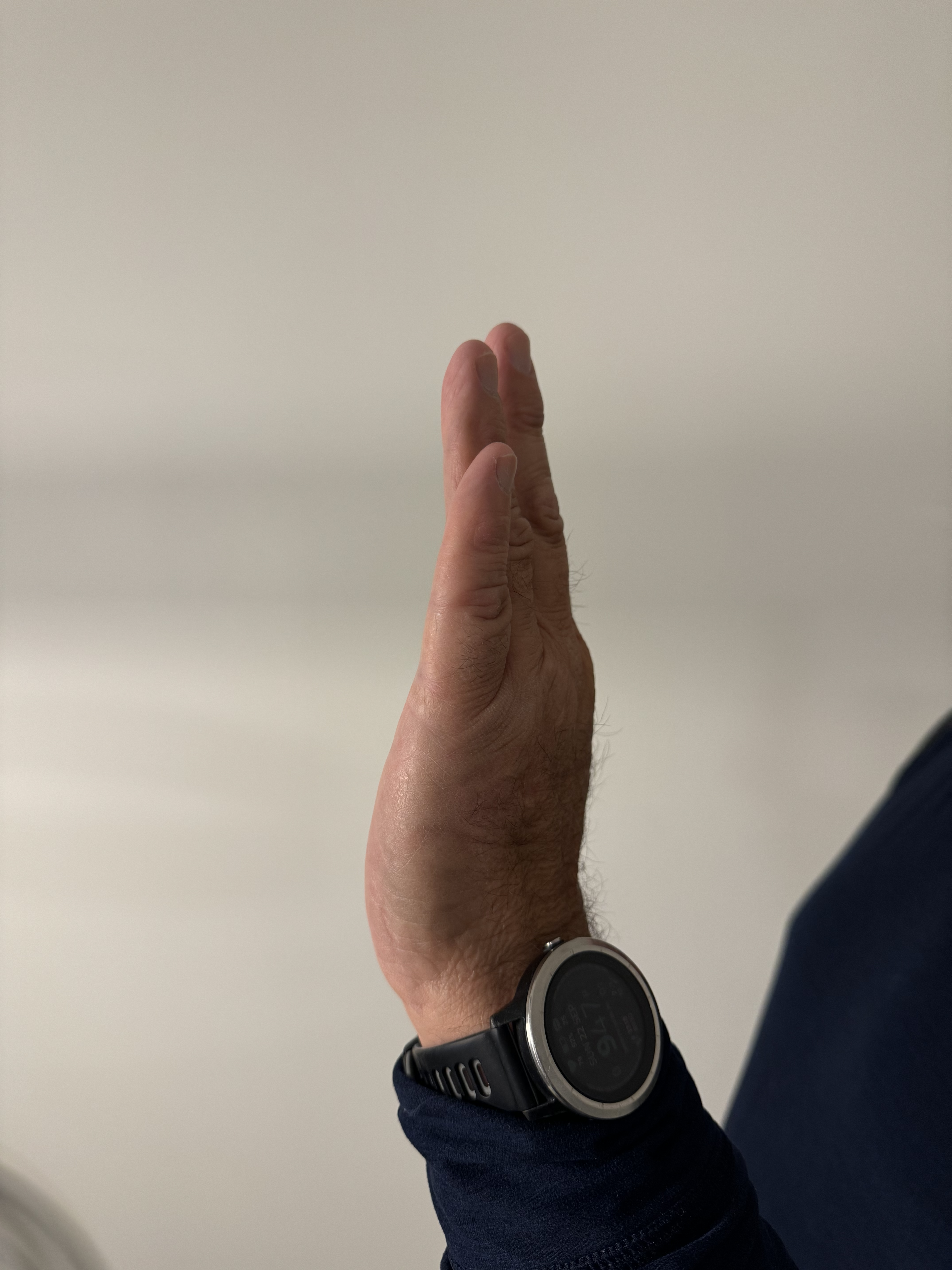
One of our patients in Gibsons, BC, came to us with a finger injury that left him unable to fully straighten the finger for a month. After a thorough assessment, we utilized Shockwave therapy targeting the forearm and the tendons of the affected finger. This innovative treatment significantly improved his condition, allowing him to regain full mobility and straighten his finger again. If you’re dealing with a similar issue or any musculoskeletal pain, don’t hesitate to reach out. Our chiropractic care can help you on your journey to recovery!
At Rose Chiropractic and Integrative Health, we can incorporate shockwave therapy into personalized treatment plans to ensure you receive the most advanced and effective care. Our goal is to optimize your recovery and help you achieve long-lasting pain relief and improved well-being. Please direct any inquiries to dr.janetbelliveau@gmail.com
 Rose Chiropractic and Integrative Health